I'm a huge fan of vintage botanical drawings. This is distinctly different, but also stunningly beautiful.
Watch full screen:
Per youtube:
The animation was developed for kids to show the life cycle of flowers.
Many different flowers are growing beautifully and strongly in this world. Taking their roots in the earth, sprouting, blooming, pollination by birds and insects, living on in spite of rain, wind and storms. They pass on the baton of life, rebirth and decay. Everything is so in a continuous, endless cycle. This is the story and message of this animation.
July 26 is Brave New World author Aldous Huxley's birthday: here's a brief bio, audio of him narrating Brave New World, a 1949 letter from Huxley to Orwell and a Huxley vs Orwell infographic.
These Sisters will make your Evil Siblings look like Angels.
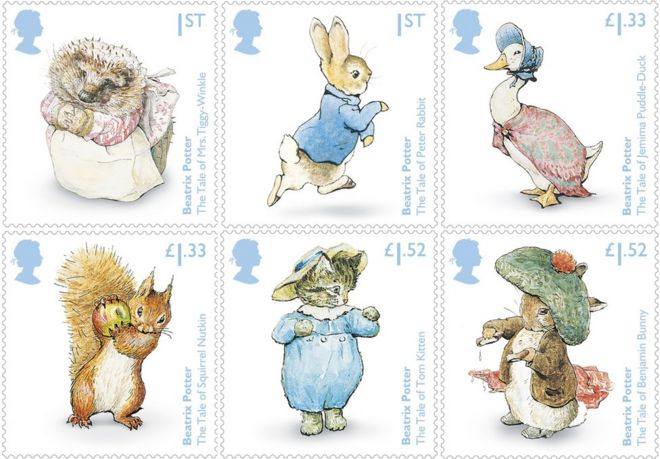
Birthdays this weekend include free-market economist Milton Friedman's (July 27): here are some favorite quotes and short videos, and Beatrix Potter's (July 28): in addition to Peter Rabbit et al, she produced some gorgeous botanical drawings.
ICYMI, most recent links are here, and include the Apollo 11 anniversary, early blacklisting in Hollywood, a laser that identifies people from a distance by heartbeat, and the anniversary of the 20th of July plot (the unsuccessful bomb attempt by insiders to kill Hitler in 1944).
July 28 is the anniversary of the birth of the English writer and illustrator of children's books, Beatrix Potter (wiki) (1866-1943). Most familiar as the author of The Tale of Peter Rabbit(1902) and The Tailor of Gloucester (1903), Beatrix Potter was born in London and despite having no formal artistic training, illustrated all her books with simple, unassuming watercolors, while creating the characters of Peter Rabbit, Benjamin Bunny, the hedgehog Mrs. Tiggy-Winkle, and others.
She also produced a series of gorgeous, scientifically accurate paintings of various types of fungi, as discussed and illustrated in Linda Lear’s highly regarded Beatrix Potter: A Life in Nature:
Flammulina velutipes (Armitt Museum and Library)
Strobilomyces strobilaceus (Armitt Museum and Library)
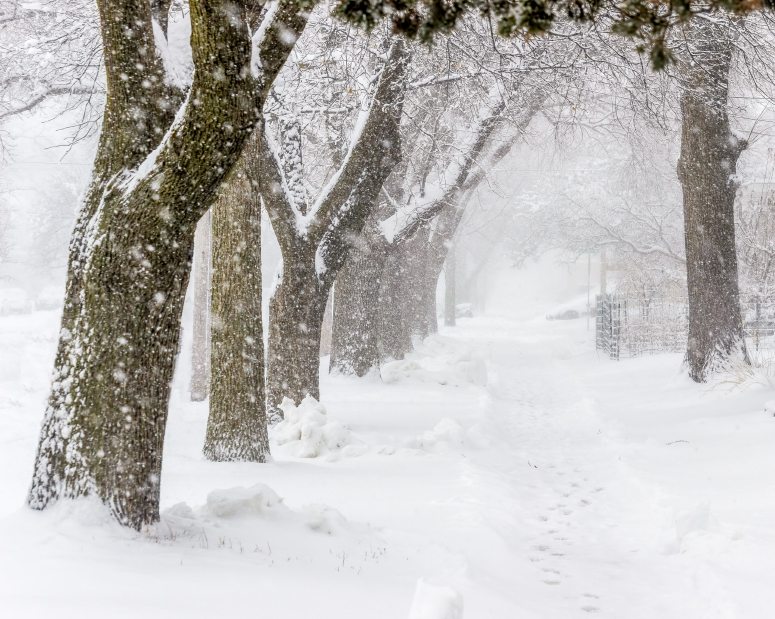
Trees go through a process similar to hibernation called dormancy, and that's what keeps them alive during the winter. Dormancy is like hibernation in that everything within the plant slows down. Metabolism, energy consumption, growth and so on. The first part of dormancy is when trees lose their leaves.
Dormancy is like hibernation in that everything within the plant slows down. Metabolism, energy consumption, growth and so on. The first part of dormancy is when trees lose their leaves. They don't make food in the winter, so they have no use for masses of leaves that would require energy to maintain.